Public Trust

Photo: Gavin Noyes/Utah Diné Bikéyah, Public Lands, Private Hands. Photo courtesy of Public Trust.

Devin Allen in conversation, A Beautiful Ghetto, January 29, 2016.

Kathleen Cleaver in conversation, The Black Power Mixtape 1967-1975, Photo courtesy of Public Trust.

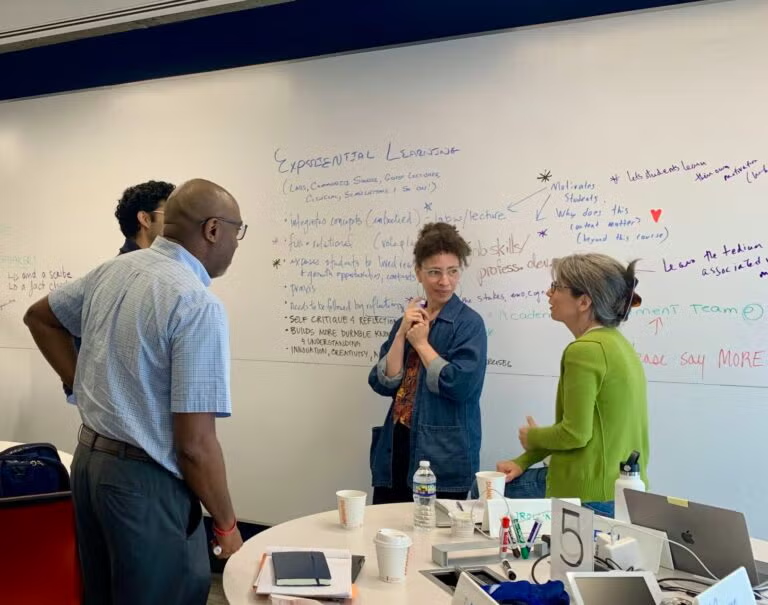
U.S. Dept. of Housing and Urban Development Secretary Marcia L. Fudge, Congressman Dwight Evans, and colleagues discuss community housing on October 26, 2022.
Public Trust is a dynamic arts organization on the University of Pennsylvania campus that fosters learning, creativity, and collaboration. We nurture a thriving ecosystem of artists, thinkers, and community members through free and inclusive programs about health, education, and ecology. Our organization’s name, Public Trust, reflects our commitment to charting the breakdown of public trust and civility in society and to cultivating new forms of democracy that more responsibly care for each other and our shared world.
Central to this effort are weekly public conversations, film screenings, and other events about some of the most urgent issues of our day, each thoughtfully curated through close collaboration with campus and community partners. Organized in the spirit of an open classroom, our programs are designed to spark dialogue, reflection, and community as we confront the challenges facing Philadelphia and the world today.


Partnerships
For over twenty years, Public Trust has been rooted in West Philadelphia on the campus of the University of Pennsylvania and has worked in close partnership with urban and academic communities.

Health Ecologies Lab
Committed to learning from the knowledge embedded in the lived experiences of communities in Philadelphia and beyond. Bringing scholars from various disciplines together and multiple voices from patients and caregivers, to providers and policymakers.

Penn Medicine Listening Lab
A storytelling initiative that embraces the power of listening as a form of care. The project aspires to help people become better listeners and enhance the well-being of patients, caregivers, staff, and providers in our community.
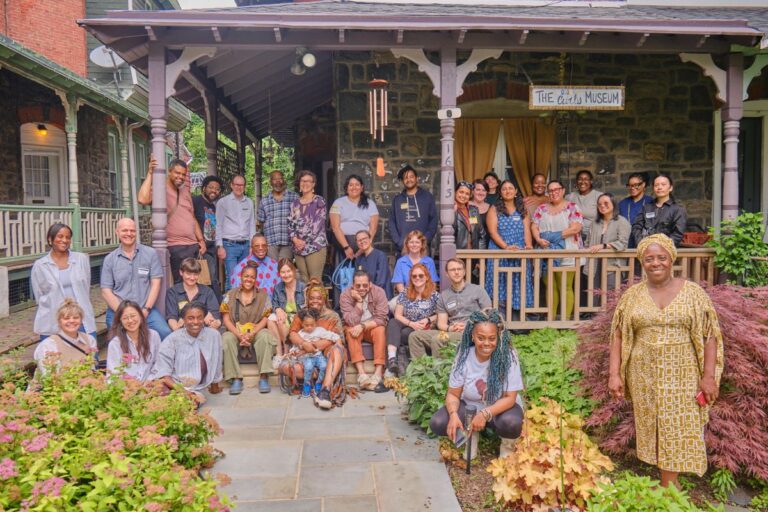
Curating Engagement Project
Exploring how curatorial initiatives can support structural change within institutions, and the long-time needs of the communities they wish to serve.

The Mediatheque
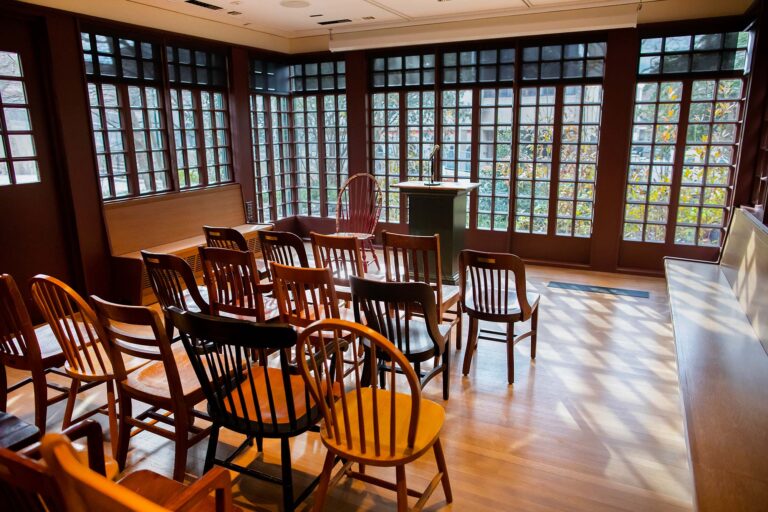
A versatile screening room for programming about media arts and activism. From short videos to feature films, advertisements to memes, images are consumed today at an ever-increasing rate and mediate all facets of our experience. Drawing on diverse media forms—including independent cinema, community media, and documentary productions, among others—our programs resist these conditions of mediation and explore visual strategies that critically engage art, politics and public life.